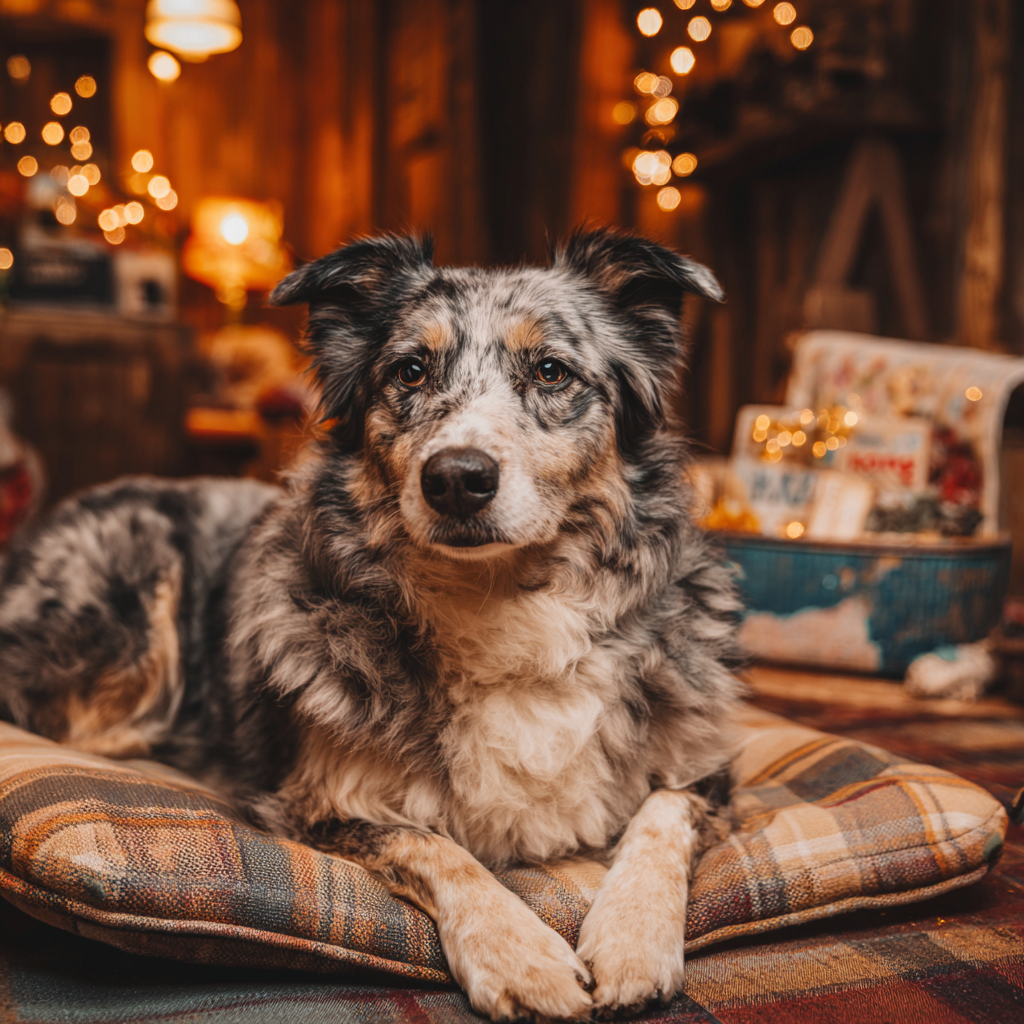
Simple Tips for a Peaceful Season
The holidays are magical—twinkly lights, family gatherings, warm drinks, and delicious food… and sometimes a completely overstimulated dog zooming through the living room with your guest’s scarf in their mouth. The season sends everyone—dogs included—into a whirlwind of excitement. Suddenly the house smells like cinnamon, unfamiliar people show up at the door with casseroles, and someone inevitably drops a tasty morsel your dog is convinced was meant for them.
As wonderful as holiday joy can be, the noise, new smells, schedule changes, and constant activity can feel overwhelming for our dogs. Even the calmest pup can turn into a little holiday tornado when routines shift and the energy in the home skyrockets.
But with a little preparation, you can help your dog stay calm, confident, and comfortable—no matter how busy the festivities get. And truly, there’s no need to stress. A few simple training tips and cozy routines can transform holiday chaos into a much more peaceful season.
This gentle guide will show you how to keep your dog relaxed and well-behaved through all the festive excitement.
Let’s make this holiday season stress-free for both ends of the leash.
Why Dogs Struggle During the Holidays
Dogs thrive on routine, so when the holidays roll in and everything changes at once, even the calmest pups can feel unsettled. The season brings new noises, shifting schedules, moved furniture, and a sudden crowd of visitors—all of which can disrupt your dog’s sense of security.
With so much happening at once, it’s easy to see why many dogs become overwhelmed during the holidays.
They may be dealing with:
- Unfamiliar people
- New smells and decorations
- Loud noises and excited conversations
- Changes in daily schedules
- A giant glowing tree in the living room (fairly suspicious, honestly)
- Traveling or staying somewhere new
The good news? With a little proactive support, you can help your dog adjust and stay calm.
Proactivity Before Reactivity
Calm starts long before the chaos.
The key to a relaxed dog is being proactive, not reactive. Give your pup the tools they need before the excitement begins, rather than waiting until they’re already overwhelmed.
Morning Movement:
A calm dog is rarely an under-exercised dog. Before festivities begin, add:
- A longer morning walk
- A sniffari
- Quick training session
- A flirt pole or fetch round
This clears the mental cobwebs and helps your dog settle later.
Stick To Mealtimes:
If their stomach and nervous system stay on schedule, they’ll be more relaxed.
Create a Cozy Safe Space:
A quiet room, gated area, or crate can become your dog’s sanctuary during the holidays. This safe zone is everything—somewhere they can decompress away from the noise. Just let guests know it’s off-limits. Clear boundaries create calm.
Add:
- Soft blanket or comfy bed
- White noise (I love rain sounds) or gentle music
- Warm lamplight
- Enrichment (we’ll get to that magic in a moment)
- Fresh water
- Crate covers
- Pheromone diffusers (Adaptil)
- Tasty long-lasting chews (in a chew guard for safety)
- Thundershirt or compression wrap
- A dog gate or exercise pen can also help create a peaceful barrier without fully separating your pup—perfect for giving them space while still letting them see what’s going on.
Italicized links are affiliate links. If you choose to purchase through them, it helps support Daffodil Cottage—thank you!
Teach “Go To Bed” (Holiday Lifesaver)
If I could gift every dog parent one behavior for the holidays, it would be this.
This skill is magical for:
- Door chaos
- Barking
- Food stealing
- When you just need your dog not underfoot
- Giving them a predictable place to settle
How to teach it:
- Set the Stage
Place a mat or dog bed on the floor. Pick a calm area with minimal distractions to start. - Introduce the Spot
Lure or encourage your dog onto the mat. Reward in tiny steps: mark and treat when one paw lands on the mat, then two paws, then three, and finally all four paws. Some dogs move through these steps quickly, while others need a little more time—both are perfectly normal. - Repeat for Understanding
Continue rewarding your dog each time they step onto the mat until they begin walking over on their own. - Add the Cue
Once they reliably go to the mat, say “Go to bed” right as they move toward it. Treat when they settle—this means any calm behavior on the mat, such as sitting, lying down, or simply pausing with relaxed body language. Rewarding these moments teaches your dog that the mat is not only a place to go, but a place to rest and feel safe. - Build Duration
Gradually ask your dog to stay on the mat for a few seconds… then longer. Reward frequently so the mat feels like a wonderful place to be. - Add Mild Distractions
When they can stay for short periods, introduce small challenges:
- You stepping away
- Someone standing nearby
- Light movement around the room
Reward success.
- Practice Real-Life “Dress Rehearsals”
Now bring in holiday-level distractions:
- Fake door knocks
- Guests entering
- You cooking or moving around the kitchen
- A bit of dramatic acting if needed (Oscar nominations pending)
- Generalize It
Practice in different rooms and during different parts of the day so your dog learns that “Go to bed” means the same thing everywhere.
Enrichment Ideas to Keep Dogs Busy
A bored dog becomes… creative. The right enrichment gives them a healthy outlet, helping them decompress, focus, and stay calm during the holiday bustle.
Here are simple, safe ways to channel energy:
Food-Based Enrichment:
Great for grounding anxious dogs and keeping them occupied during busy moments.
- Frozen Kongs with pumpkin or plain Greek yogurt
- Lick mats for slow, soothing licking
- Snuffle mats
- Slow feeders to stretch mealtime
Puzzle & DIY Play:
Perfect for mental stimulation that tires the brain in minutes.
- Towel burrito (wrap treats inside a rolled towel)
- Cardboard box treasure hunt
- “Present” box filled with paper and a few hidden rewards
- Puzzle toys for problem-solving fun
Light, Low-Energy Play:
Ideal when you need quick movement without overstimulation.
- Gentle indoor fetch
- Tug (with a clear start/stop cue)
- Short, easy training games like “touch,” “sit,” or “find it”
Rotating enrichment items keeps things novel, interesting, and soothing.
You know your dog best. Some enrichment activities are perfect for one pup but too stimulating—or even risky—for another. If any of these options tend to cause excitement, frustration, guarding, or shredding that gets out of hand, skip them during the holidays or supervise closely.
Giving your dog their enrichment on their mat or bed is a wonderful way to reinforce the “go to bed” cue. It helps your dog associate their spot with good things—chewing, licking, sniffing, relaxing—and makes them far more likely to stay settled there during busy moments.
Practice Guest Arrivals
If your dog gets overly excited—or a little anxious—when people arrive, a bit of preparation can make all the difference.
Before Guests Arrive:
Give your dog a predictable routine so they feel grounded as the energy rises.
- Clip on a leash for gentle guidance
- Cue “go to bed” or their mat behavior
- Scatter a few treats to encourage sniffing and settling
- Let them observe from a comfortable distance
- Reward any calm choices (even tiny ones!)
When the Doorbell Rings:
Keep things simple and low-pressure.
- Use the leash briefly for controlled greetings
- Redirect to “go to bed” if needed
- Reward quiet, polite behavior
- Keep excitement low—calm greetings only
If It’s Too Much…
It’s perfectly okay if your dog doesn’t want to socialize. A cozy room with a chew or puzzle is a wonderful option.
- Zero judgement
- Zero pressure
- 100% supportive
Your dog never has to greet every guest. Consent matters. Space matters. If they need a break, honor it.
When Your Dog Needs Space
Dogs communicate long before they act out, and it’s important to listen to those early signals. If your dog is saying, “I’m overwhelmed,” “I’m tired,” or “I need a moment,” believe them. Rest equals recovery.
Early Signs Your Dog Needs Space:
These subtle cues mean your dog is starting to feel stressed.
- Avoidance
- Sudden or excessive sniffing
- Lip-licking
- Whale eye (when you can see the whites of your dog’s eyes because they’re nervous)
- Ears pulled back
- Slowing down
- Pacing
- Shaking off
- Tail tucked
If you notice any of these, gently guide your dog back to their cozy safe zone. Breaks are healthy, normal, and incredibly helpful during busy holidays.
Clear Signs of Discomfort:
These stronger signals tell you your dog is no longer coping and needs immediate space.
- Growling
- Freezing
- Hard staring
- Scurrying away
- Guarding food, toys, or people
These behaviors aren’t “bad”—they’re communication. They mean, “I’m uncomfortable. Please give me space.”
Support your dog with love and distance. And if you ever feel unsure, reaching out to a professional trainer is always a positive, shame-free option.
Kids + Dogs Safety
Just like we train our dogs how to behave, children also need gentle guidance on how to interact respectfully with animals.
Teach kids:
- No hugging (most dogs don’t enjoy it and may feel trapped)
- No grabbing, leaning, or climbing on the dog
- No bothering the dog while they’re eating, sleeping, or in their safe space
Supervision is essential with kids and dogs—always.
Traveling With Your Dog
Holiday travel can be exciting for dogs—but also a little overwhelming. New smells, new sounds, new people, and new environments all take time to adjust to. A few simple steps can make the transition much smoother.
What to Pack:
Bring the comforts of home so your dog feels secure.
- Familiar bedding or blanket
- Favorite toy
- Long-lasting chew
- Water from home (great for sensitive stomachs!)
- A baby gate or crate for safe boundaries
Keep Their Routine Steady:
Predictability helps your dog stay grounded during all the changes.
- Stay consistent with mealtimes
- Plan regular potty breaks
- Maintain their usual training cues and expectations
On Arrival:
Give your dog 10–15 minutes of decompression outside before going into the new house. A quiet walk or sniff session helps them process new scents and settle their nerves.
Once inside, provide:
- Their familiar bedding
- A comfort toy or chew
- A calm, designated spot to relax
Travel is exciting—but it can be a lot. Slow introductions and gentle structure help your dog adjust comfortably and confidently.
Final Thoughts
You don’t have to choose between a fun holiday season and a calm dog. With a simple plan—some enrichment, a safe spot, and a bit of gentle training—your pup can thrive through all the glittering, cookie-filled madness.
The truth is:
You’re doing great.
Your dog is doing their best.
And the holidays don’t have to feel like a circus.
A little routine, a cozy hideaway, slow movement, and thoughtful structure go a long way. With calm support and proactive choices, your dog can glide through the season in peaceful, tail-wagging joy.
And maybe—just maybe—you’ll feel a little calmer too.
Now go pour yourself a drink, take a deep breath, enjoy the season, and give your pup a kiss from me.
You’ve got this.
Related Blog Posts You May Love
- Why Positive Reinforcement is the Gold Standard in Dog Training
- Crate Training a Puppy: The Reality, the Tips, and Why Your Puppy Isn’t Broken
- Teach Your High-Energy Dog to Chill and Relax
- Teach Your Dog to Come When Called: A Recall Training Guide for Reliable Results
- Best Dog Toys and Chews: Safe, Durable, and Eco-Friendly Picks