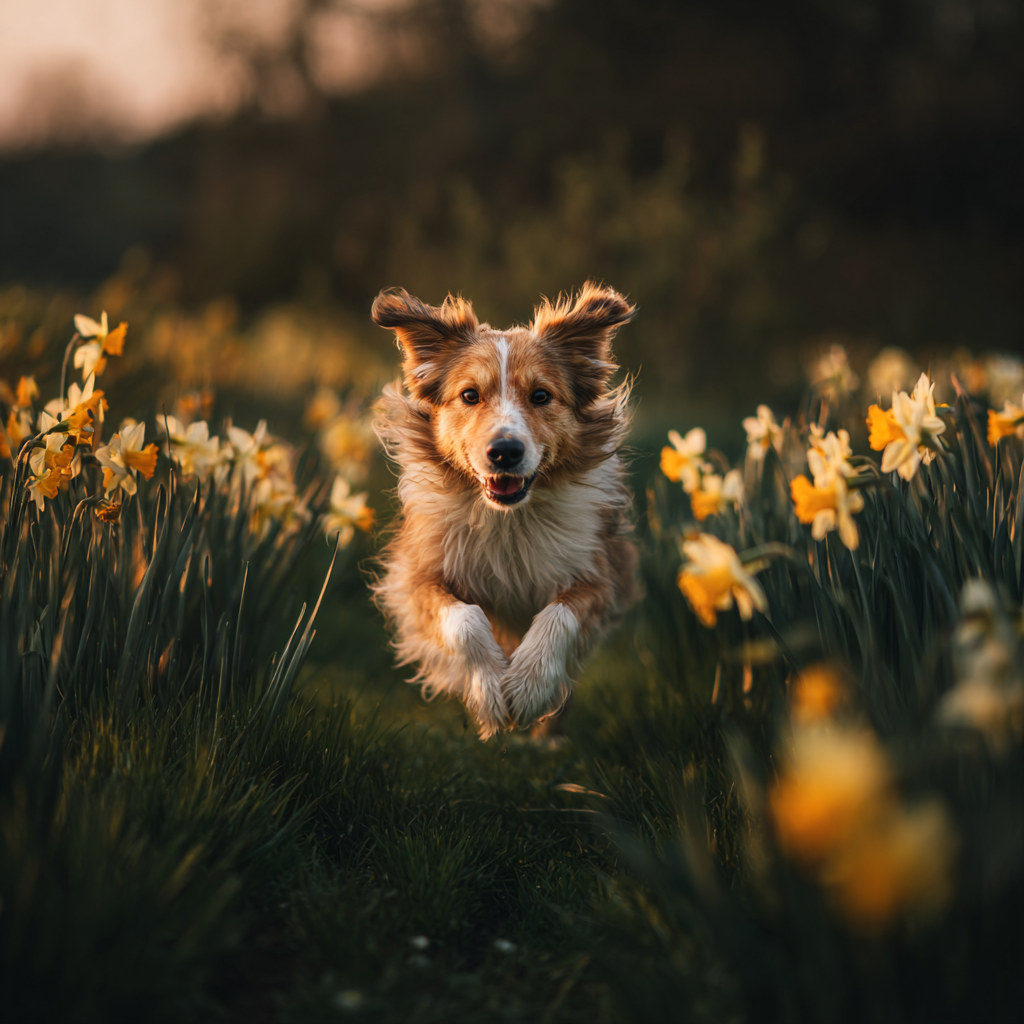
If you’ve ever stood in your garden calling your dog while they pretend you don’t exist, you know how frustrating recall can feel. But recall isn’t just about obedience—it’s about trust, safety, and connection. When your dog chooses to come back to you, it’s one of the most rewarding moments you’ll ever share.
In this post, I’ll share the core principles that make recall training successful. These are the same foundations I expand on in my full guide, Teach Your Dog to Come When Called, available in my Etsy shop.
⚠️ Important Note: Your dog should always remain on leash in non-enclosed spaces. Recall must be built safely using a long line until it’s reliable—no free-for-alls near roads, wildlife, or open fields.
Why Recall Matters
Even the best-behaved dogs can be tempted by squirrels, smells, or other dogs. Without a reliable recall, it only takes one moment of distraction for your dog to end up in danger. A strong recall can:
- Build your dog’s confidence in new environments
- Deepen your bond by becoming their “safe place”
- Prevent accidents with cars, bikes, or wildlife
- Give you peace of mind at the front door
- Help you walk confidently through busy environments, even with your dog on leash
A Peek Into the Training Process
The truth is, recall isn’t a one-and-done skill. It doesn’t happen overnight, and it won’t stick without ongoing practice.
Here are the foundations to start:
1. Start Simple Indoors
Begin in a quiet, distraction-free spot—like your living room or garden. Use a cheerful physical cue (such as a clap, crouch, or pat on your leg) and reward the instant your dog moves toward you—even if they were already on their way.
Rewards should be high-value: chicken, cheese, tug toys, play, or even the freedom to return to what they were doing. Kibble won’t cut it here—we’re building excitement, not just compliance.
2. Layer in Your Recall Word
Once your dog consistently responds to the physical cue, begin pairing it with a verbal cue. Choose a word that’s clear, consistent, and only used for recall. “Come” works fine, but you can also use “Here!” or something playful like “Let’s go!” Just make sure it’s short and easy to call out.
3. Make Recall a Party
When your dog runs to you, celebrate like they’ve just won the lottery. Dogs thrive on energy—your joy is part of the reward.
The goal is for your dog to think: “Whenever I hear that word, the best things happen.”
4. Keep It Positive
If you only ever call your dog when the fun ends—like heading inside or clipping on the leash—they’ll learn to avoid you. Mix it up instead: sometimes call them in, reward generously, and then release them back to play. That way, recall doesn’t always mean game over.
5. Add Distance and Distractions Slowly
Don’t jump from the living room to a busy park. Use a long training line (15–30 feet) in a safe space to keep practice controlled and secure.
Build gradually:
- Start with distance distractions.
- Then add duration—teaching your dog to hold focus longer.
- Introduce mild movement, like a jogger passing at a distance.
Once your dog is consistent, raise the challenge slowly: practice in busier rooms, then your garden, and eventually secure outdoor spaces. Success builds confidence.
6. Use Variety
Dogs thrive on unpredictability. Switch up rewards—sometimes food, sometimes a quick game, sometimes affection. Variety keeps recall exciting and strengthens your cue long-term.
Mix recall into games like hide-and-seek or surprise call-ins during daily life. Dogs learn fastest when training feels like play.
7. Never Punish a Recall
Even if your dog takes forever to come back, reward them. If you scold, they’ll think returning to you is unpleasant, and next time they may hesitate. Recall should always feel safe and rewarding.
8. Practice Little and Often
Keep sessions short—just 2–3 minutes, a few times a day. End on a win and keep it fun. Daily practice builds a strong habit that lasts.
With these steps, recall transforms from a frustrating “chore” into your dog’s favorite game. Layered with patience, positivity, and consistency, it becomes one of the most valuable skills your dog will ever learn.
Troubleshooting Recall Challenges
Even with good training, hiccups happen:
Drive-bys: Your dog zooms past without stopping. Fix this by rewarding only once you gently hold their collar.
Selective hearing: If distractions are too strong, go back a step and train around lower-intensity triggers.
Recall fatigue: Too many reps can drain enthusiasm. Keep sessions short, fun, and always end on a win.
Bolting the other way: If your dog runs off when called, upgrade your rewards. Kibble won’t cut it—try chicken, cheese, or a toy.
Every breakdown is feedback, not failure. If your dog “forgets,” you’ve just discovered their current limit.
What Often Trips Up Recall Training
Most recall struggles aren’t about a “stubborn” dog—they’re about common mistakes:
- Calling only when fun is over. If “Come!” always means bath time or bedtime, why would your dog rush back?
- Repeating the cue like a broken record. “Come, come, come…” quickly turns into background noise.
- Overestimating your dog’s skills. Just because recall works in the kitchen doesn’t mean it’ll work in the garden with squirrels sprinting by.
The good news? Every mistake is fixable. And honestly, every trainer — myself included — has mucked it up at some point.
Recall should always be the best part of your dog’s day. Every time they hear that magic word, it should predict something wonderful.
Keep Recall Reliable for Life
Once your dog learns recall, don’t let it fade. Keep reinforcing it regularly on leash. Think of it like maintaining a friendship—you don’t just call when you need something, you check in often.
A few easy ways to keep recall strong:
- Call your dog randomly on walks, reward, and continue walking
- Practice at different times of day and in different safe environments
- Jackpot occasionally with an extra-big reward to keep them excited
The more fun and unpredictable recall feels, the more reliable it becomes.
Final Thoughts
Recall isn’t about control—it’s about connection. When your dog comes running back, tail wagging and eyes bright, they’re choosing you over every distraction. Your job is to make that choice easy.
Recall doesn’t happen overnight. Every day you practice builds the habit; every day you delay lets your dog rehearse ignoring you. Keep it joyful—use high-value rewards, short sessions, and never punish late returns. If recall always feels like winning the lottery, your dog will keep choosing you.
Want to Dive Deeper?
This blog is just a snapshot. In my full eBook, Teach Your Dog to Come When Called, I walk you through every stage of recall — from basics to distractions to emergency recall. You’ll find:
- 8 detailed chapters (from foundations to advanced distractions)
- Step-by-step guides for recall at every level
- A complete glossary of training terms
- A full Q&A section with trainer-approved troubleshooting
- Myth-busting trainer’s notes
- Printable progress trackers
The book is split into two beautifully designed PDFs, so you can print them out or use them digitally (on apps like Goodnotes or Notewise).
If you’re ready to turn “come here… please?” into a cue your dog loves, you can grab your copy today in my Etsy shop.
Your dog is ready to learn. All that’s left is for you to call. 🌼🐾